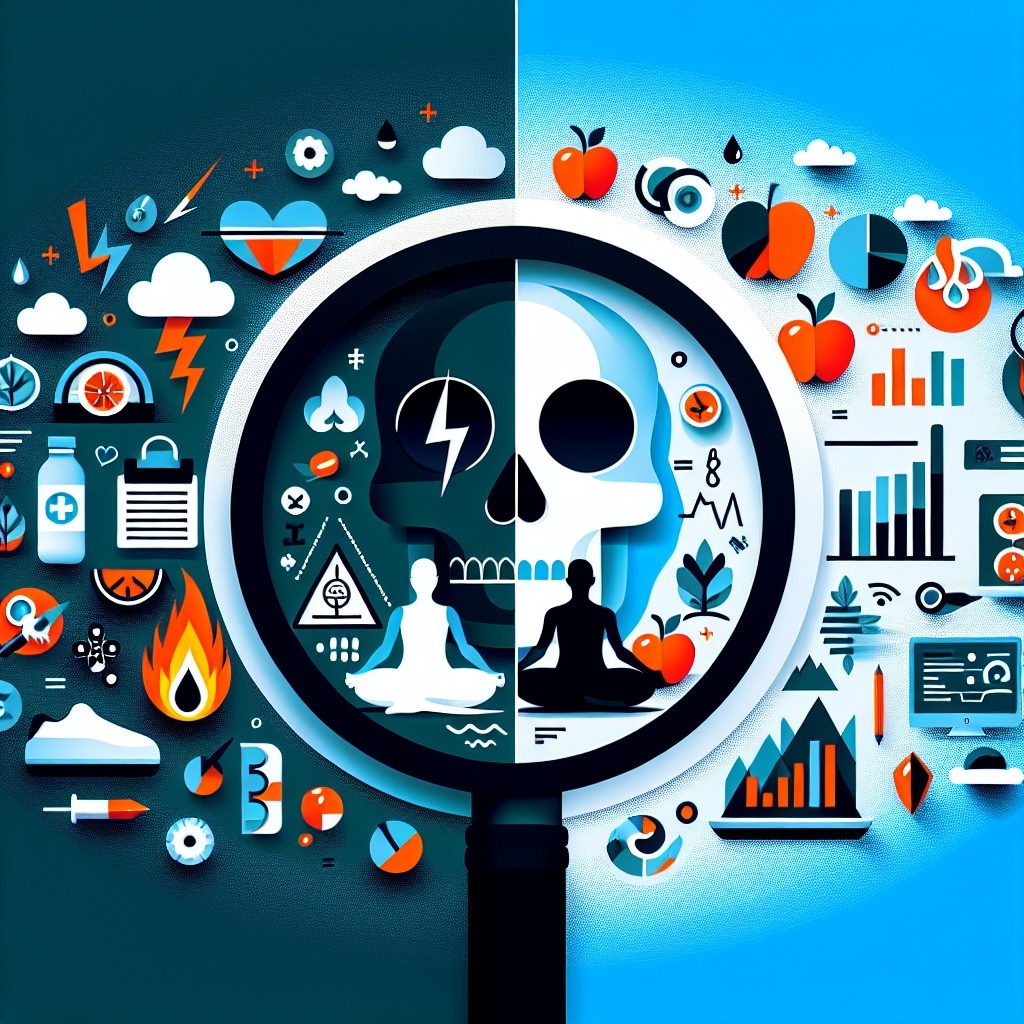
In an era marked by an overwhelming flow of health-related information, distinguishing between robust scientific evidence and exaggerated claims is more crucial than ever. Understanding the basics of health data literacy empowers individuals to critically assess news stories, medical studies, and digital health reports and make informed decisions about their well-being.
Understanding the Role of Health Data Literacy
Health data literacy refers to the ability to obtain, process, and comprehend health information and data to make sound health decisions. It combines skills in numeracy, critical thinking, and familiarity with health concepts. As digital health records, wearable devices, and online medical research proliferate, health data literacy becomes essential for navigating this complex landscape. Those with higher health data literacy are better equipped to differentiate between reliable information and misleading or incomplete data presented in headlines or social media.
Common Pitfalls in Interpreting Health Data Headlines
One of the frequent issues in health reporting is oversimplification. News outlets might highlight a single study without context, leading to misunderstandings about its significance. Headlines that use sensational language or promise quick fixes often reflect hype rather than strong evidence. Another pitfall lies in confusing correlation with causation, where an observed association between two factors is mistakenly presented as proof one causes the other. This misinterpretation can foment unnecessary panic or false hope among readers.
Evaluating Sources and Research Quality
To spot strong evidence, it is vital to check the credibility of the information source. Peer-reviewed journals, established public health agencies, and reputable medical organizations typically uphold rigorous standards for publishing health data. Conversely, anecdotal accounts and non-expert opinion pieces should be viewed cautiously. Consider the study’s sample size, methodology, and whether results have been replicated by independent researchers. Sound health data literacy involves knowing how to identify whether a study’s conclusions are based on thorough, transparent analysis or if they rely on limited or biased data.
The Impact of Data Visualization on Perception
Visual tools such as charts, graphs, and infographics can aid in understanding health data but may also be manipulated to mislead. Distorted scales, omitted data points, or complex visual presentations without explanatory context can exaggerate effects or hide uncertainties. Developing health data literacy includes recognizing when visual aids are used responsibly versus when they contribute to hype, helping readers grasp the true implications without being swayed by emotional design choices.
Improving Public Health Outcomes through Enhanced Health Data Literacy
Increasing health data literacy at the population level is pivotal for improving public health outcomes. Educational initiatives, transparent communication from health authorities, and accessible resources help individuals become critical consumers of health information. When people can accurately interpret health data, they are more likely to engage in preventive measures, adhere to treatments, and support evidence-based policies. In contrast, low health data literacy can lead to misinformation spread, vaccine hesitancy, and poor health choices.
Overall, advancing health data literacy remains a foundational step in countering misinformation and fostering a health-informed society. Encouraging responsible reporting and public education efforts will be necessary as health data continues to play an expanding role in personal and policy decisions worldwide.
Frequently Asked Questions about health data literacy
What is health data literacy and why is it important?
Health data literacy is the capacity to understand and use health-related data effectively. It is important because it enables individuals to discern between credible health information and misleading claims, ultimately supporting informed health decisions.
How can someone improve their health data literacy?
Improving health data literacy involves learning how to interpret scientific studies, critically evaluate sources, and understand basic statistical concepts. Utilizing resources from trusted organizations can aid in developing these skills.
Does health data literacy impact public health?
Yes, higher levels of health data literacy can lead to better public health outcomes by promoting accurate understanding of health information, fostering positive health behaviors, and reducing the spread of misinformation.
Where can I find reliable information to develop health data literacy?
Reliable information can be found through authoritative health organizations such as the World Health Organization, the Centers for Disease Control and Prevention, and reputable medical journals. Learning from these sources enhances health data literacy.
How does media reporting influence health data literacy?
Media reporting plays a significant role by shaping public understanding of health data. Accurate, balanced reporting supports health data literacy, while sensationalized or incomplete coverage can undermine it. Developing the ability to critically assess media sources is a key aspect of health data literacy.
In summary, cultivating health data literacy is vital for navigating health information in today’s complex digital environment. By enhancing these skills, individuals can better distinguish between genuine scientific evidence and fleeting hype, contributing to improved health decision-making and outcomes.