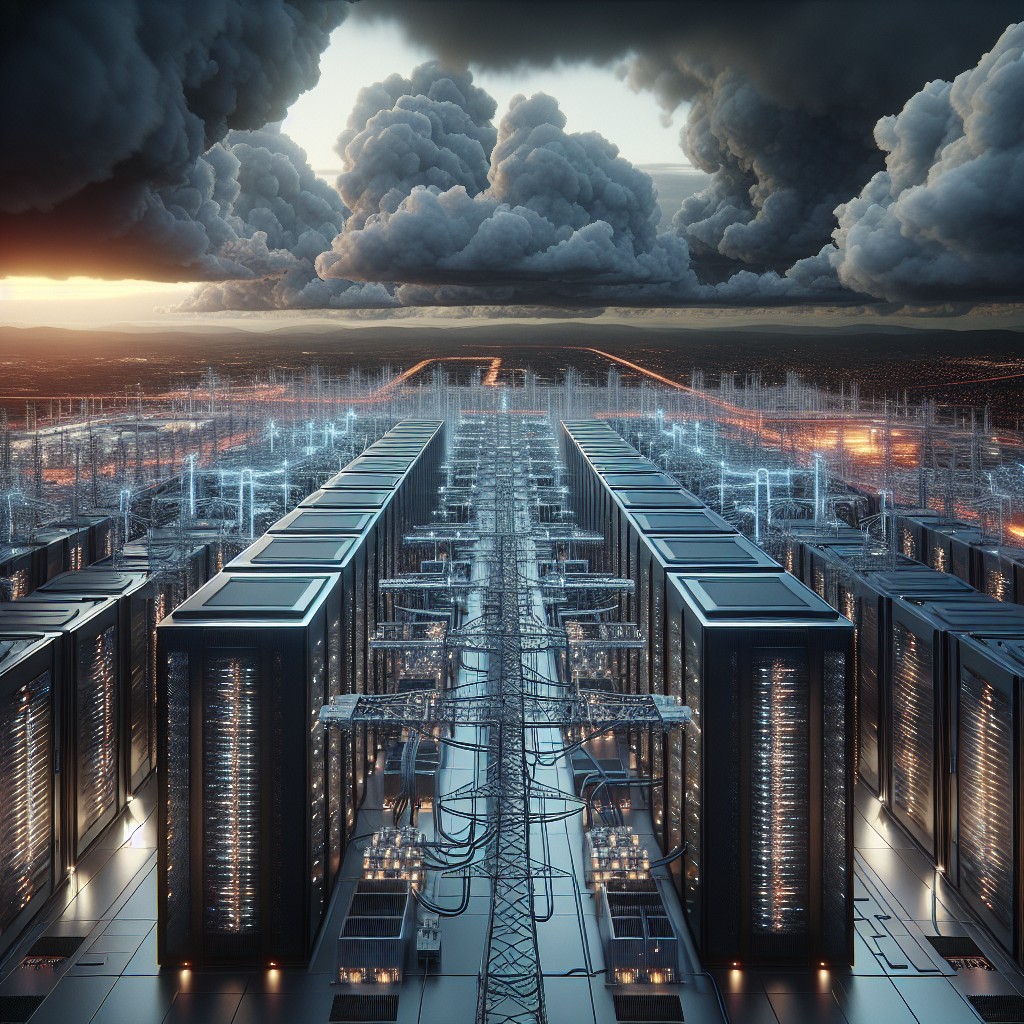
Data centers have become the backbone of the digital economy, supporting online services, cloud computing, and vast amounts of stored information. However, as their numbers and sizes grow, so too does their demand for electrical power, raising significant concerns about the capacity and sustainability of power grids worldwide.
The Rising Demand of Data Centers for Electricity
Data centers consume vast quantities of electricity to power servers, cooling systems, and networking equipment. The proliferation of internet-based services, streaming, and cloud platforms has caused an unprecedented surge in data center deployment globally. This growth directly translates into escalating electricity consumption, often straining local power resources. According to the U.S. Department of Energy, data centers in the United States alone consumed about 2% of the country’s electricity in recent years, and the demand continues to rise.
Challenges Facing Power Grids
Power grids are being pushed to their limits as they attempt to supply continuous, reliable energy to large-scale data centers. In many regions, the existing infrastructure was not designed to accommodate the heavy and constant electrical loads imposed by these facilities. Overloading the grid can lead to instability, increased risks of outages, and delays in integrating renewable energy sources. Furthermore, peak demand times often coincide with critical operational periods for data centers, intensifying grid stress.
Environmental Implications and Energy Efficiency Efforts
The environmental impact of powering data centers is a growing concern for governments and industry stakeholders. Many data centers rely heavily on nonrenewable energy sources, contributing to carbon emissions and environmental degradation. In response, companies are investing in energy efficiency measures such as advanced cooling technologies, server optimization, and deploying data centers in cooler climates or near renewable energy sources. Initiatives to power data centers with 100% renewable energy have been adopted by major firms, highlighting a shift toward sustainability.
Role of Renewable Energy and Grid Modernization
Integrating renewable energy sources like wind and solar into the grid presents opportunities and challenges. On one hand, renewables can reduce the carbon footprint of data centers and decrease reliance on fossil fuels. On the other hand, renewables are variable and can introduce instability to the grid if not managed properly. Upgrading grid technology with smart grids and energy storage solutions becomes essential to meet the fluctuating demand from data centers while accommodating renewable energy inputs, enhancing reliability and resilience.
Global Variations and Infrastructure Investments
Different countries face unique challenges based on their grid infrastructure, energy mix, and regulatory environment. Regions with robust, modernized grids and abundant renewable energy resources are better positioned to support the expansion of data centers sustainably. Conversely, areas with aging infrastructure and heavy dependence on fossil fuels may encounter difficulties in accommodating heightened power requirements. Governments and private sectors worldwide are increasingly investing in modernizing electrical infrastructure to keep pace with data center growth and ensure long-term energy security.
The relationship between data centers and electricity supply is a critical factor in the future of digital infrastructure. As demand for computational power escalates, it is imperative to develop smarter, greener, and more resilient power grids. Efforts to optimize energy consumption in data centers, paired with investment in renewable energy and grid modernization, will be vital to addressing this global challenge. The coming years will likely see enhanced collaboration between the energy and data center industries to ensure sustainable growth that aligns with environmental and operational objectives.
Frequently Asked Questions about data centers
Why do data centers consume so much electricity?
Data centers require large amounts of electricity to operate servers continuously and run cooling systems that prevent overheating, resulting in significant overall power consumption.
How does the growth of data centers impact power grids?
The increasing number and size of data centers place heavy loads on power grids, potentially causing capacity challenges and affecting grid stability where infrastructure is insufficient.
Can renewable energy power data centers effectively?
Yes, many data centers are increasingly powered by renewable energy sources to reduce carbon footprints, though integrating these resources requires grid adaptations due to their intermittent nature.
What measures exist to improve the energy efficiency of data centers?
Energy efficiency measures include using advanced cooling technologies, optimizing server operations, designing data centers in cooler climates, and adopting energy management systems.
Are all regions equally prepared for the energy demands of data centers?
No, readiness varies globally depending on the condition of electrical infrastructure, energy sources, and investment in grid modernization, affecting how well each region can support data centers.
Further information and updates on the evolving relationship between data centers and electricity grids can be followed through major energy and technology news outlets and organizations.